Fiberglass vs Aluminum RV Siding: What Holds Up Better in North Texas?
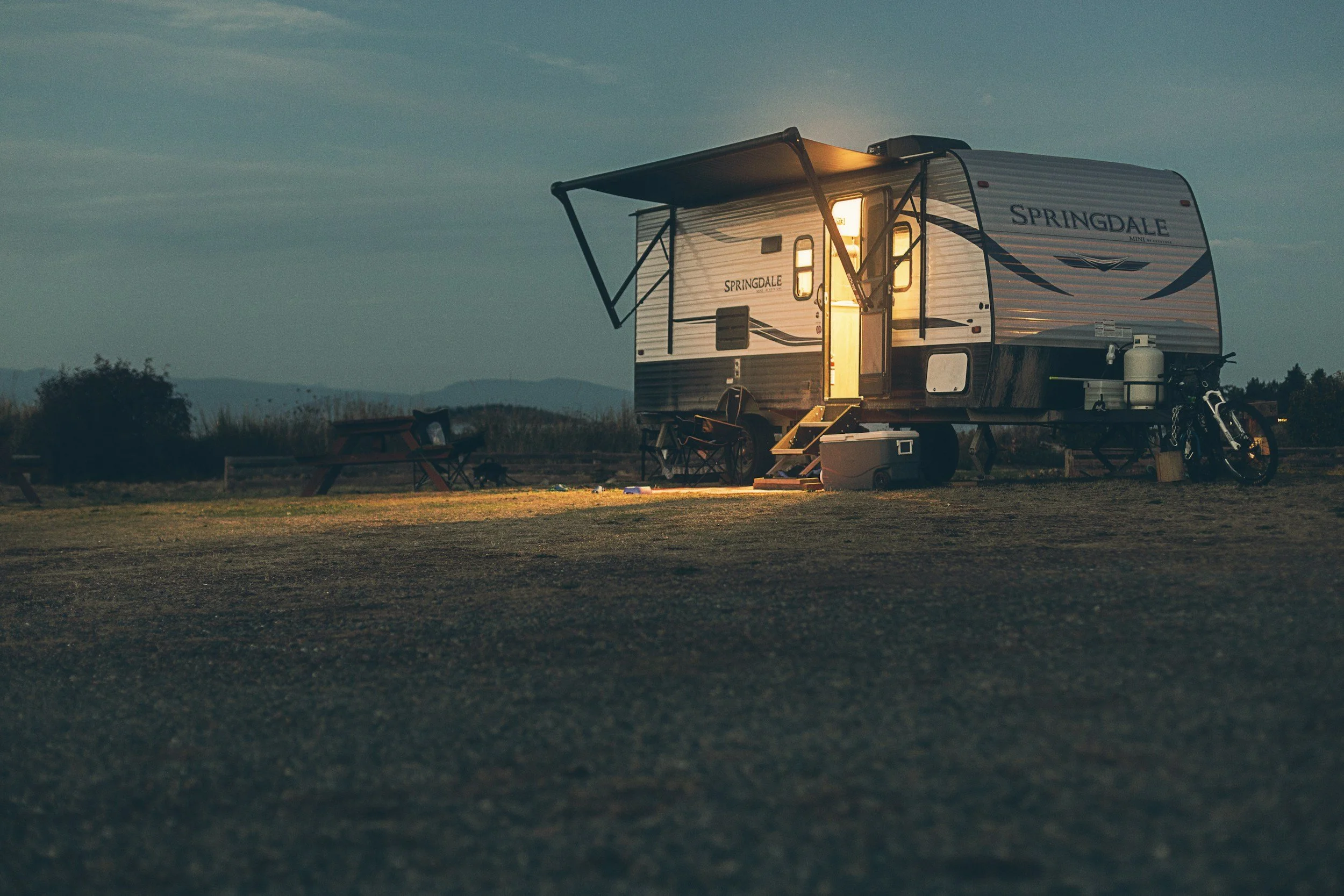
If you own an RV in North Texas, the materials on the outside of your vehicle matter more than you might think.
Between intense sun, hailstorms, freezing temperatures, and long highway miles, RV siding takes a beating.
One of the most common questions RV owners ask — especially after damage — is:
“Is fiberglass better than aluminum?”
The answer depends on how you use your RV, but in North Texas conditions, the differences become very clear.
What Most RVs Are Made Of Today
Most modern motorhomes and travel trailers use one of two materials:
Fiberglass siding (laminated panels)
Aluminum siding (corrugated panels)
Brands like Winnebago, Forest River, and Jayco use both, depending on the model and price range.
Fiberglass RV Siding: Cleaner Look, More Complex Repairs
Fiberglass is the most common material we see on RVs coming through the shop.
Pros:
Smooth, modern appearance
Better insulation
Higher resale value
More aerodynamic
Cons:
Prone to cracking or delamination
Repairs require specialized work
More expensive to fix if damaged
In North Texas, fiberglass tends to suffer from:
Heat expansion and contraction
Hail damage
Stress cracks near seams
Once damage starts, it usually spreads if not repaired properly.
Aluminum RV Siding: Durable but Not Perfect
Aluminum siding is still common, especially on older or more budget-friendly RVs.
Pros:
More resistant to cracking
Easier and cheaper to replace sections
Holds up well to minor impacts
Cons:
Dents easily (especially from hail)
Less modern appearance
Lower insulation value
Can look worn over time
In North Texas, aluminum siding often shows:
Multiple small dents after storms
Cosmetic wear from sun exposure
Which One Holds Up Better in North Texas?
This is where local conditions matter.
Heat + Sun
Fiberglass: can fade or stress over time
Aluminum: holds structure, but looks worn faster
Hail
Fiberglass: cracks or fractures
Aluminum: dents, but stays intact
Cold Snaps
Fiberglass: can become brittle
Aluminum: less affected structurally
Which One Is Easier to Repair?
This is where most RV owners notice the difference.
Aluminum:
Panels can often be replaced individuallyFiberglass:
Requires blending, reinforcement, and paint matching
Fiberglass repairs need to be done correctly — otherwise cracks return or delamination spreads.
What We See Most Around Fort Worth
In the Fort Worth, Keller, and North Tarrant County area, most newer RVs coming in are fiberglass.
Typical issues include:
Sidewall cracks
Delamination
Paint fading
Storm-related damage
Aluminum RVs usually come in for:
Dent repair after hail
Panel replacement
Cosmetic refresh
So… Which One Should You Choose?
If you’re buying or maintaining an RV in North Texas:
Fiberglass → better look, higher value, but needs proper repair when damaged
Aluminum → tougher for small impacts, but shows wear more quickly
There’s no “perfect” option — just trade-offs depending on how you use your RV.
If Your RV Exterior Is Damaged
Whether your RV has fiberglass cracks or aluminum panel damage, getting it checked early usually prevents bigger issues later.
At Alliance CoachWorks, we regularly work on both types of RV siding — handling everything from small repairs to full panel restoration.
Reach out and we’ll take a look, walk you through it, and explain what makes the most sense.
10019 Harmon Rd
Fort Worth, TX 76177
(817) 897-2901